It makes me think of boostrappable builds and self-hosted technology stacks, as a software metaphor for this kind of social organization. Reducing or eliminating any external dependencies, so the organism relies only on its own elements for creating new copies and next generations. “A system capable of producing and maintaining itself by creating its own parts.”
How this process of autopoiesis, self-creation, applies to software and computing.. It leads to a question about the social context of technology, how its goals, innovations and development are driven by politics and power structure in an industrialized capitalist society. What’s hopeful and surprising for me is that throughout the history of personal computers, the world wide web, open source and free software movement - a major force driving it forward is a communal collaborative philosophy and attitude of camaraderie, “the quality of familiarity and sociability”.
The computer and the web grew out of a cultural milieu of scientists, mathematicians, academics, professionals and experts; and equally, or perhaps more so, from participation and contribution of people outside of academia and business: users, amateurs, enthusiasts, hobbyists; self-taught experts, beginners, noobs, pseudoscientists and misguided kooks. That quality of weirdness, living outside the box, was part of the charm of the early web subculture, whose influence can be recognized even in the walled gardens of mainstream social media. There’s a thread that ties to outsider art, weird fiction, and of course, science fiction and fantasy.
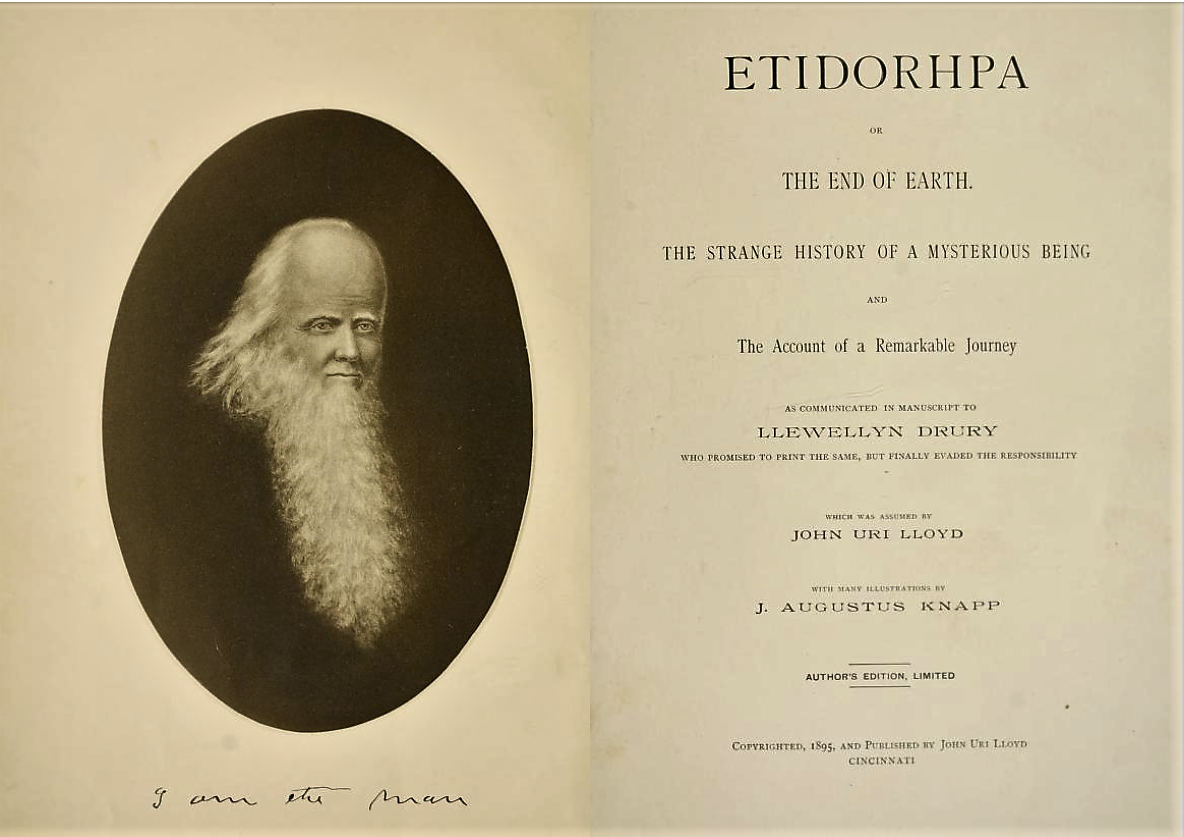
Wyrd is a noun formed from the Old English verb weorþan, meaning ‘to come to pass, to become’. Adjectival use of wyrd developed in the 15th century, in the sense ‘having the power to control destiny’, originally in the name of the Weird Sisters, i.e. the classical Fates, who in the Elizabethan period became detached from their classical background and given an English personification as fays.
The Proto-Indo-European root is wert- meaning ‘to twist’, which is related to Latin vertere ‘turning, rotating’, and in Proto-Germanic is werþan- with a meaning ‘to come to pass, to become, to be due’. The same root is also found in weorþ, with the notion of ‘origin’ or ‘worth’ both in the sense of ‘connotation, price, value’ and ‘affiliation, identity, esteem, honour and dignity’.
Wyrd has cognates in Old Saxon wurd, Old High German wurt, Old Norse urðr, Dutch worden (to become) and German werden.
The weird taps into an ancient underground stream of history and culture, archaic layers of the psyche of humanity. It’s magical thinking, dream logic, theater and make-belief of art, the spell of “what if”. It’s natural that technological inventions are often prefigured by works of fiction and mythologies - horseless carriages, flying machines, intelligent robots and a world-sized brain - because science and technology are not only a product of logic, but a process of imagination.
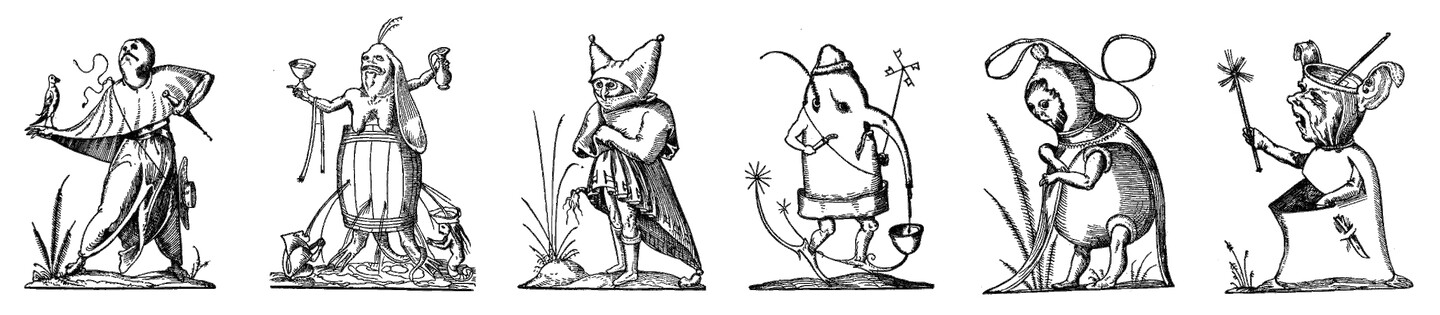
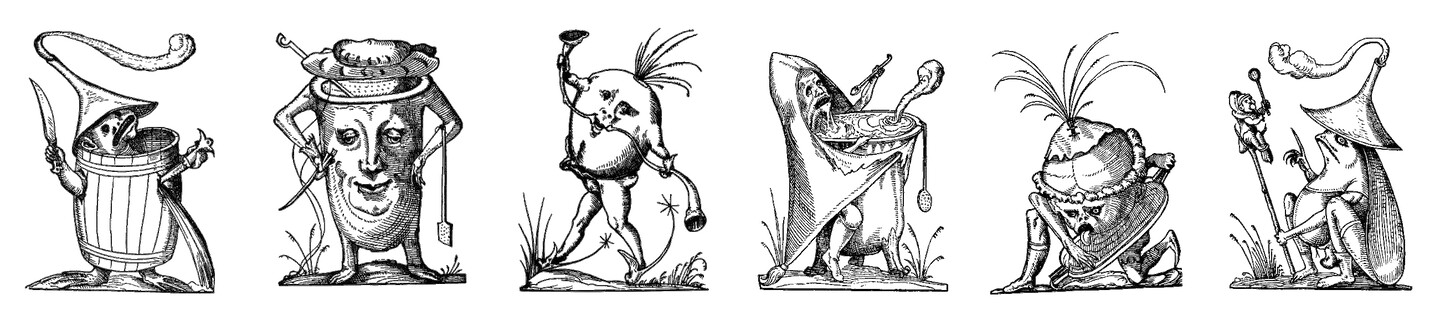
reproduce their own developers .. communities that are self-referential
Who develops the developers, to plant and cultivate community members who help it grow, and go on to start new communities.
Surveying the landscape of software ecosystems, my impression is that the biggest ones form around languages, frameworks, open-source projects, proprietary products, niche interests. Would be curious to see actual data and examples of successful communal projects. I imagine long-lived groups have a cycle of teaching new members, some of whom become experts and teachers themselves. It’s a lossy transfer of knowledge and experience - each generation adds, changes, and forgets important things from the collective memory.
What would a self-hosted bootstrappable community look like?
Bootstrapping the technology stack is part of that larger question, so I see. Food, water, shelter. Fire, electricity, communication, computing. It’s about the bootstrappability of the individual, community, society, politics and the entire civilization stack.
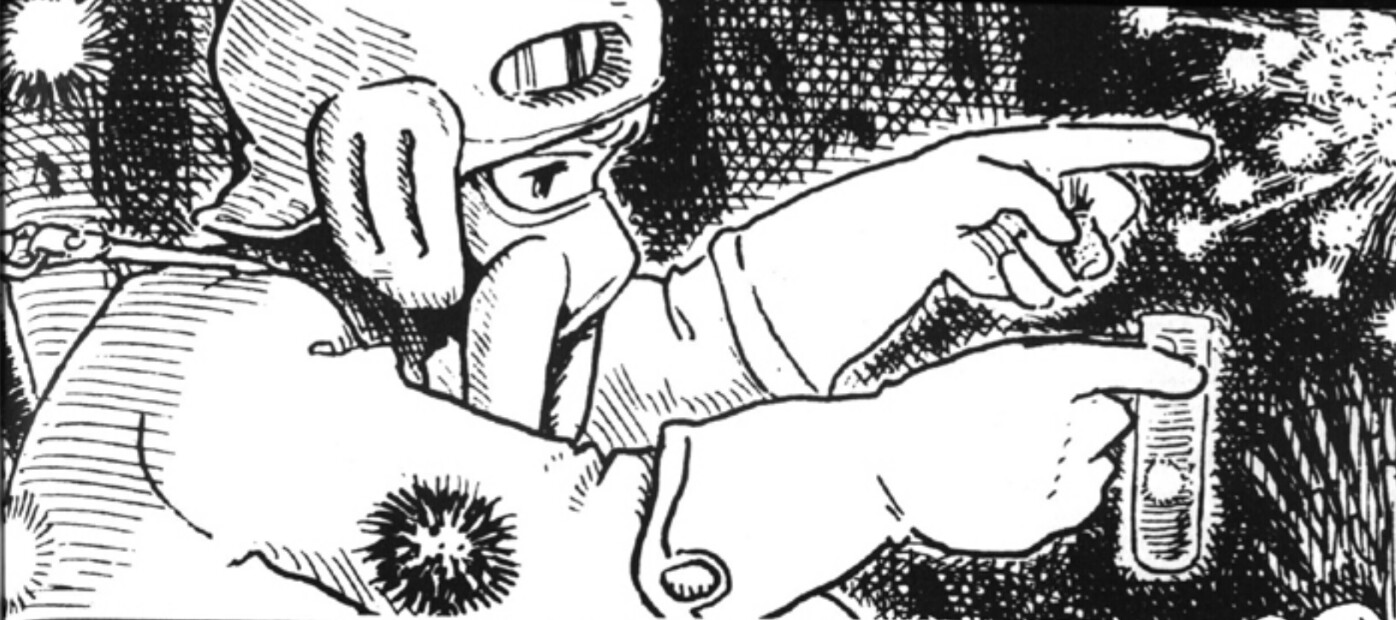
Permacomputing is both a concept and a community of practice oriented around issues of resilience and regenerativity in computer and network technology inspired by permaculture.
Permacomputing encourages the maximization of hardware lifespan, minimization of energy usage and focuses on the use of already available computational resources. It values maintenance and refactoring of systems to keep them efficient, instead of planned obsolescence, permacomputing practices planned longevity.
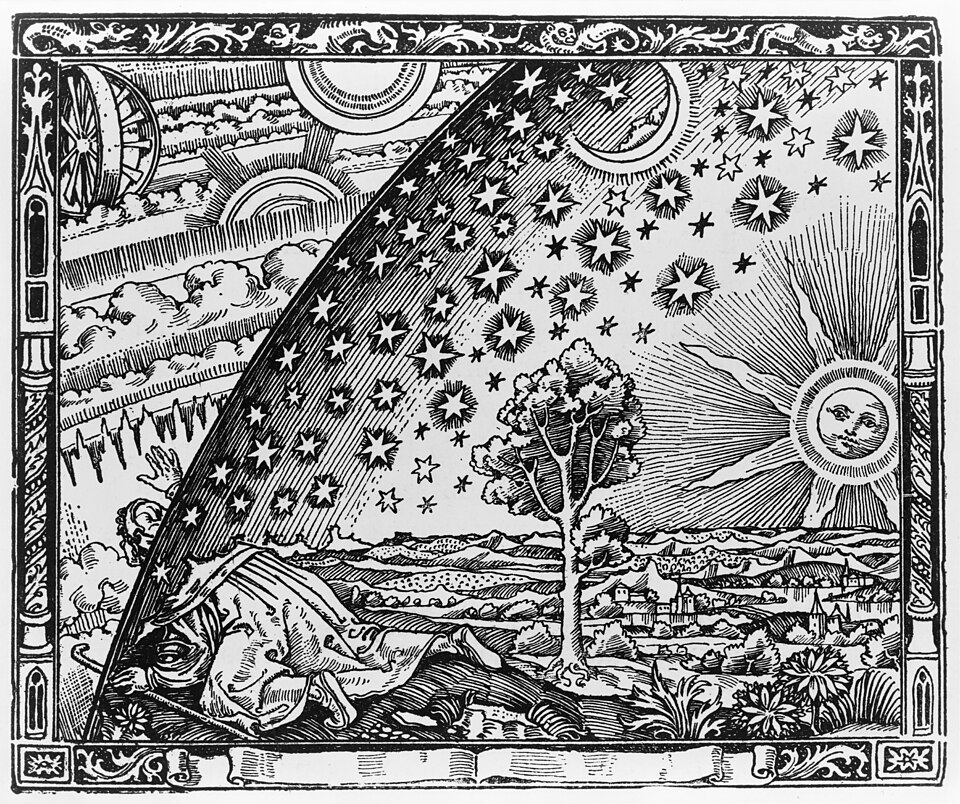
“The lady doth protest too much,” methinks. Sounds like the powers that be are actually afraid of gods, ghosts and goblins, pagans and wildlings, witches and wizards, pirates, gypsies and natives. A re-enchantment of the world means we break free from the evil spell of the existing system, which has ruled over it for generations. Thankfully its illusions appear to be falling apart of its own inherent self-destructivity. From its ashes will rise another Renaissance, with philosopher kings and faery queens of our intergalactic future.
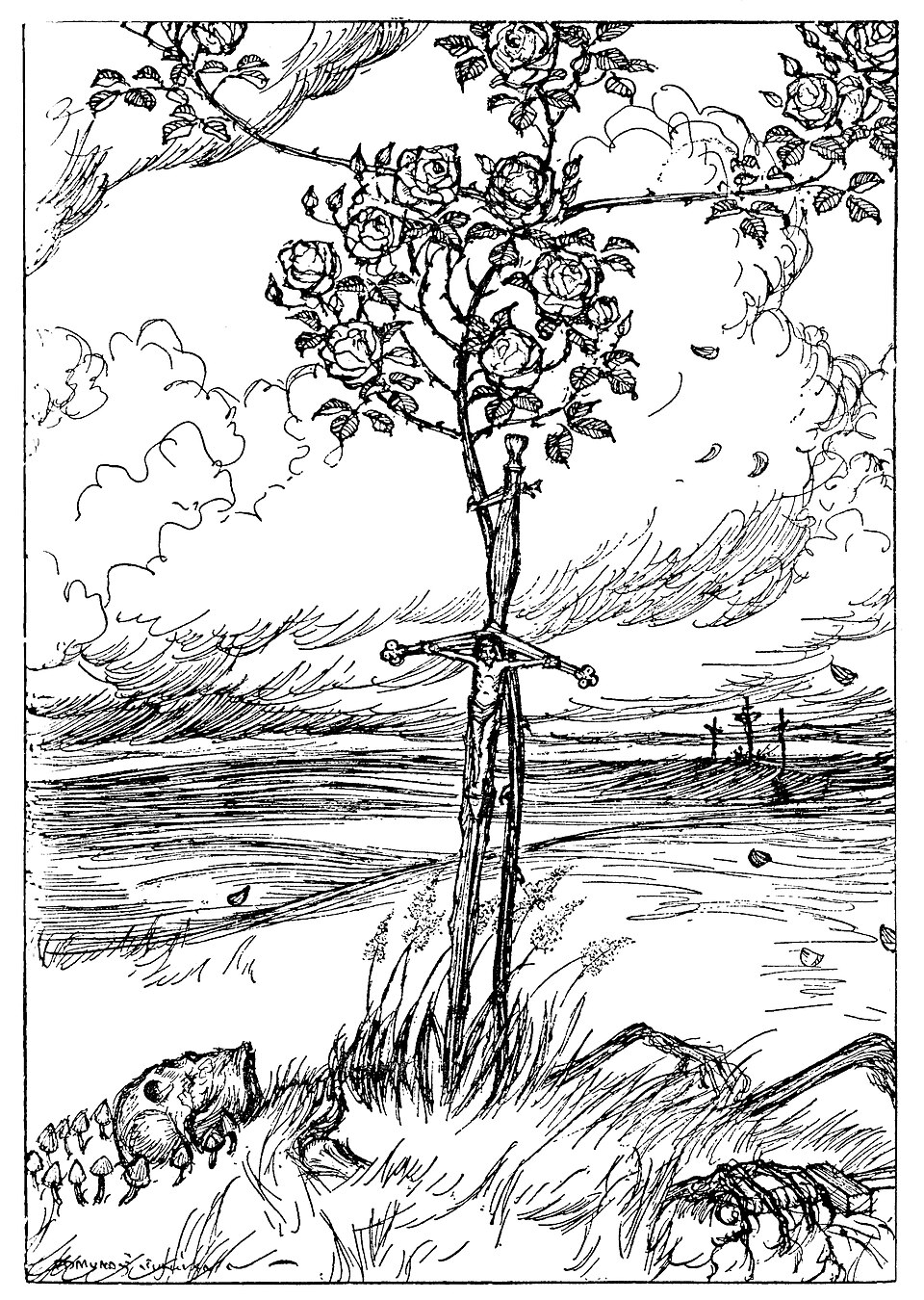
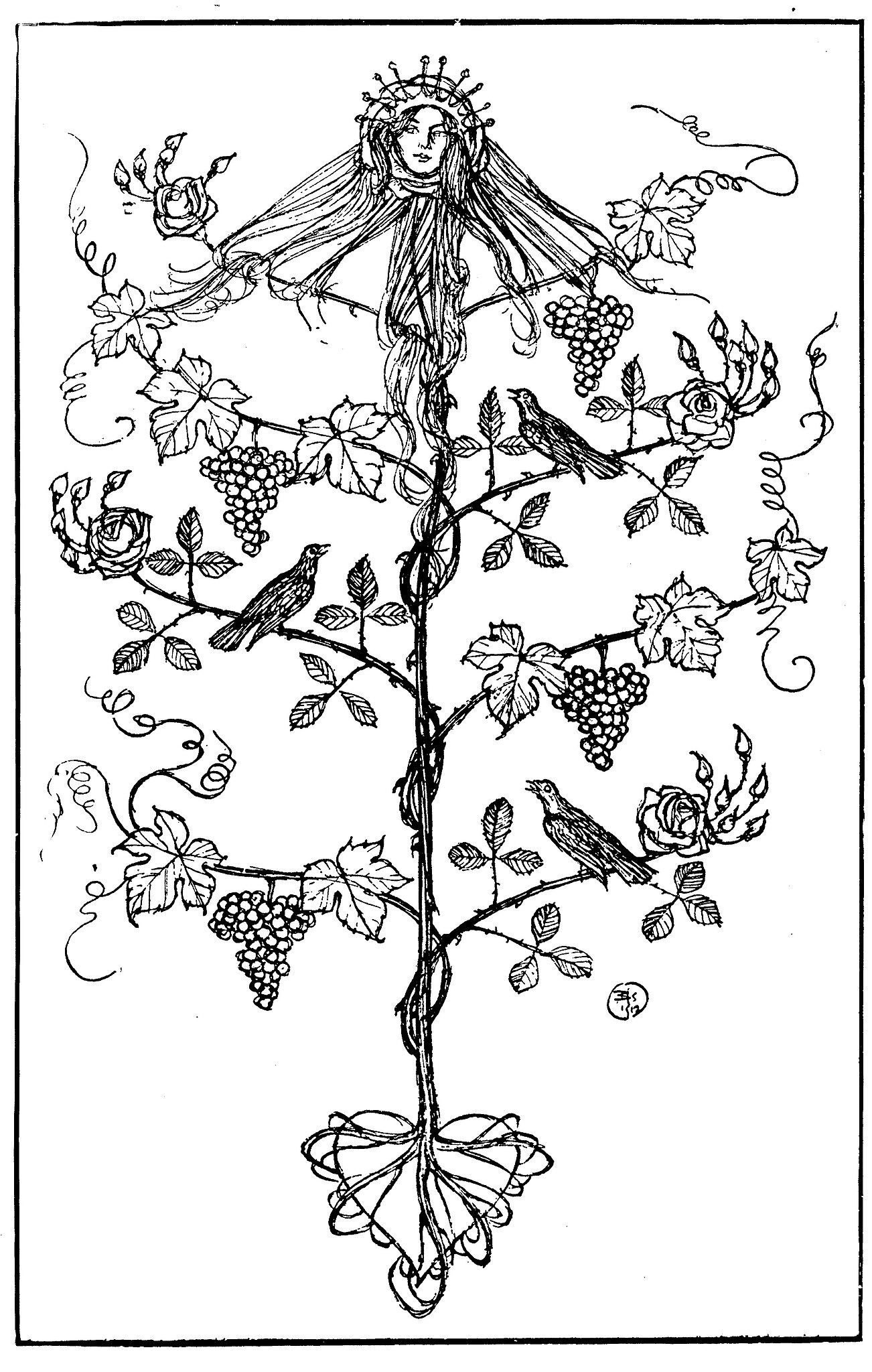
Rewilding and community resilience. For a community to be self-sufficient and sustainable, it needs to (re)think all aspects of its existence, growth, maintenance, life cycles, internal and external dependencies, relationship with other communities and the outside world. (Or does it? Successful organisms are often seemingly simple, yet well-adapted to the environment - some have lived for millions of years with no thinking involved at all, just eating everything it can and multiplying.)
Practically it’s impossible to have zero dependency, to achieve complete freedom and independence. There’s a necessary surface, like a cell with a membrane, an interface and exchange between self and other, between a community and non-community, non-members, larger social structures, laws and states. It relates to individual and collective identity, how it maintains itself as an idea and in practice.
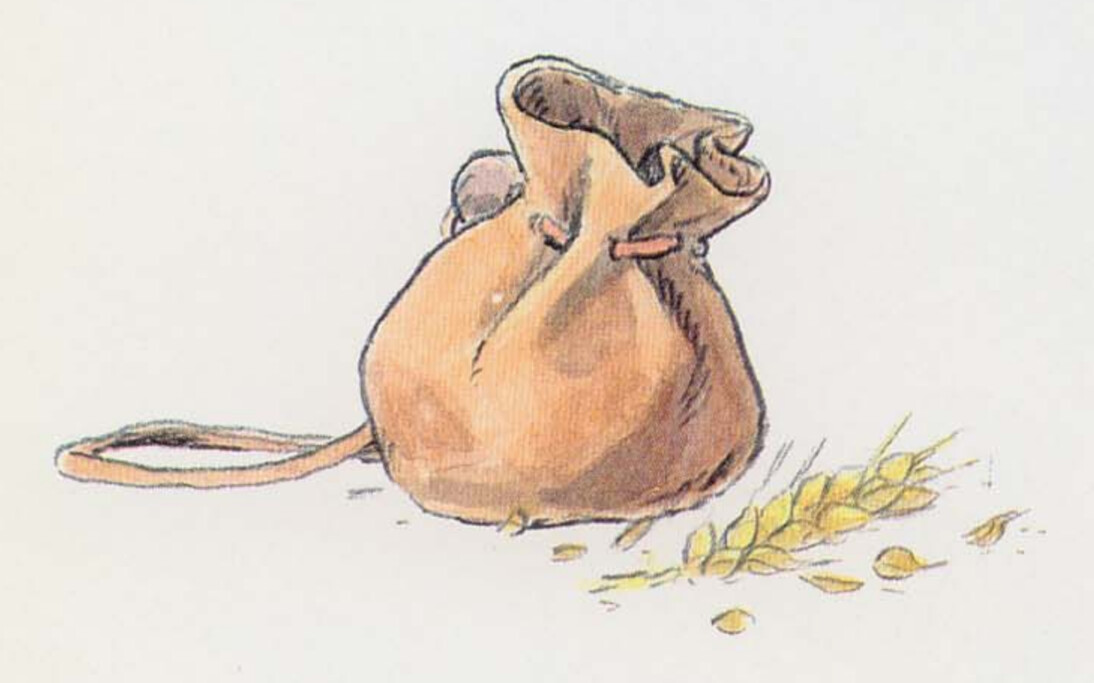
To imagine what post-collapse community and computing can look like, and what kind of self-hosted infrastructure we can prepare for our beloved future-primitive earthlings. Part of the effort is to cultivate the culture and value system, as a fertile ground for ideas, practical tools, know-how, building blocks.
To rethink everything from first principles, down to the fundamentals. Essentially going through the exercise of rebuilding civilization from scratch ourselves, in order to understand what is involved in the modern life stack, to untangle the dependencies and vendor the most useful libraries, to make it all ours. Like a Stage X for community as software, “a minimal, fully bootstrapped, deterministic, multi-party-signed distribution for verifiable infrastructure.”
Rewilding is a funny word. A re-naturing of civilization, humanity’s return to nature like a wayward son comes home. The tragedy is that we never left, the Garden of Eden is where we’ve always lived - a heaven on earth and what have we done with it. Be wild, weird child, and dream of a better world.